A Guide to Choosing the Best Food Packaging Boxes for Your Retail Business
Choosing the ideal food packaging solutions is crucial for any retail business. The selection process encompasses numerous factors, including material choices, design, and environmental considerations. Each factor plays a significant role in maintaining product integrity and engaging buyers. Business owners should assess how these aspects match their brand image and market expectations. Recognizing these nuances can prove decisive in business success. What specific criteria should companies consider first to ensure the best packaging outcomes?
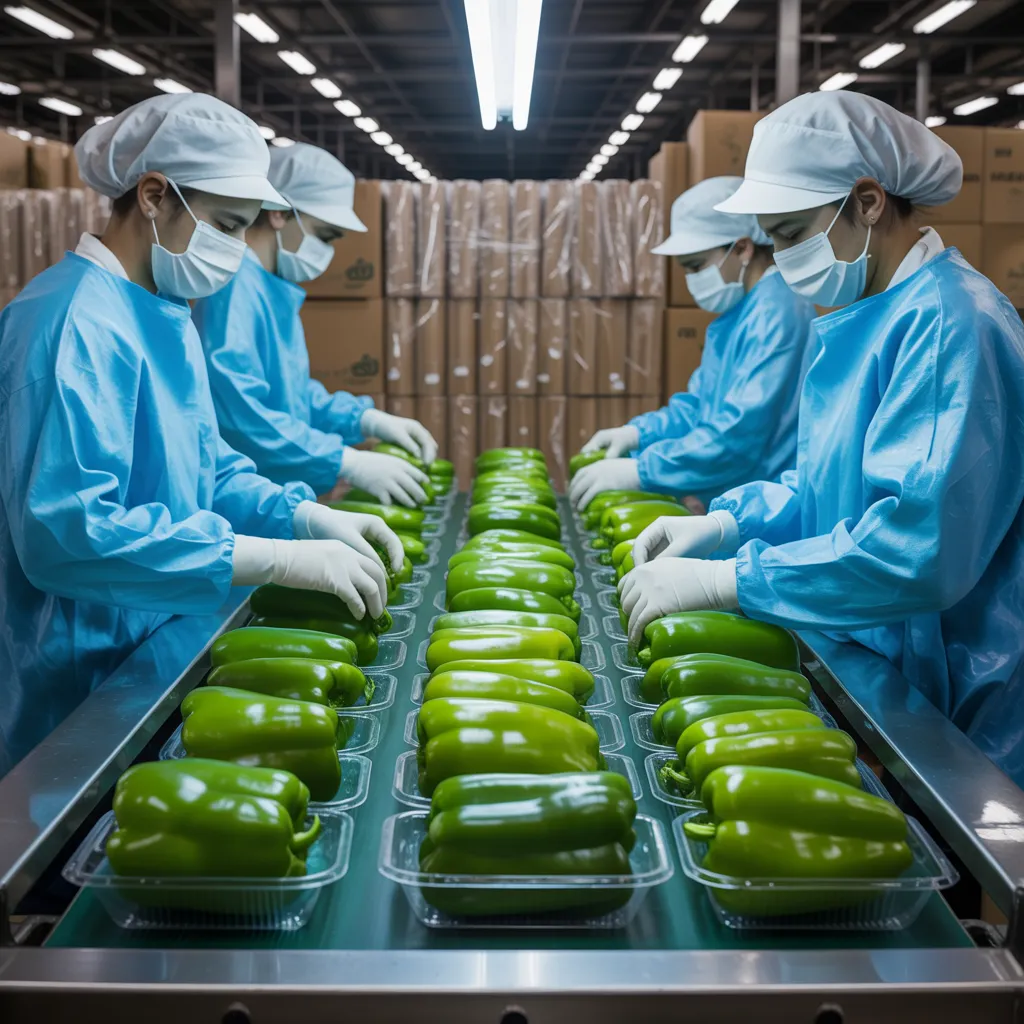
How Food Packaging Impacts Retail Success
Food packaging plays an essential role in the performance of retail operations by shaping how consumers perceive products and make buying choices. Quality packaging functions as a silent salesperson, communicating key information about the product while creating an appealing visual identity. It draws the eye amid busy retail displays and can differentiate a product from competitors.
Furthermore, packaging offers consumers confidence in product quality and safety, which is vital in the food industry. Precise labeling, appealing designs, and eco-friendly materials can strengthen brand loyalty and drive repeat purchases. Furthermore, purposeful packaging can convey the brand's mission and narrative, creating a more profound connection with the buyer.
With the rise of e-commerce, packaging also plays an important role in ensuring that products arrive intact and copyright their overall presentation, affecting consumer reviews and overall satisfaction. When all is considered, well-designed packaging is a key factor in driving sales and fostering long-term retail success.
Key Materials for Food Packaging
Choosing the correct components for food packaging is essential for upholding product integrity and ensuring safety. Different materials perform distinct purposes, impacting both preservation and user experience. Widely adopted options include paperboard, which provides durability and recyclability, rendering it an eco-friendly choice. Plastic, particularly PET and HDPE, provides excellent barrier properties, protecting food from moisture and contamination. Glass containers are favored for their inert nature, preserving flavor and avoiding chemical interactions.
Metallic packaging solutions, such as aluminium cans, is perfectly suited for maximizing shelf life, particularly for perishable goods. Moreover, biodegradable and compostable materials are growing in demand, aligning with environmental objectives. Each material's compatibility, cost, and availability with particular food categories must be considered. In the end, choosing the appropriate packaging material not only preserves food quality but also showcases a business's commitment to sustainable practices and safety.
How to Develop Packaging That Appeals to Customers
Impactful packaging design serves a critical function in attracting customers and enhancing brand visibility. To achieve this, businesses must focus on several key elements. As a starting point, color selection is essential; vivid colors can trigger feelings and draw the gaze, while more subdued tones can convey sophistication. Furthermore, font choices should be clean and easy to read, ensuring that brand names and product information are easily readable at a glance.
Including linked article original shapes or constructions can also make a product stand out on packed display shelves, creating a memorable experience for shoppers. Furthermore, imagery that reflects the product's quality or origin can further entice customers. Ultimately, integrating a narrative element or brand story onto the packaging builds a stronger bond with the intended audience, encouraging engagement and loyalty. By thoughtfully combining these elements, companies can develop packaging that both captures interest and strengthens their brand image.
Eco-Friendly Approaches in Food Packaging: Why They Are Important
As more consumers place greater emphasis on environmental responsibility, the importance of sustainable practices in food packaging cannot be emphasized enough. Retail businesses are recognizing the importance of using eco-friendly materials that reduce waste and minimize their carbon footprint. Sustainable packaging options, such as biodegradable, compostable, or recyclable materials, not only appeal to environmentally conscious consumers but also enhance brand reputation.
Integrating sustainability strategies encourages honesty and accountability, permitting companies to align with the beliefs of their desired customer base. Moreover, governing policies are transitioning to tighter green regulations, making it essential for companies to integrate eco-friendly packaging alternatives.
Adopting eco-friendly methods can generate long-term economic advantages, as businesses may lower waste expenses and enhance overall performance. At its core, integrating green solutions for food packaging is not just a moral decision; it is a calculated decision that establishes businesses favorably in an increasingly eco-aware marketplace.
Striking the Perfect Balance Between Cost and Quality in Packaging
Within the retail food sector, maintaining a balance of cost and quality in packaging is critical for business success. Businesses must carefully evaluate material options to guarantee durability while also exploring budget-friendly design approaches that appeal to customers. This balance can notably impact both financial performance and brand recognition.
Assessing Material Choices
Choosing the right option for packaging food containers demands a detailed evaluation of both financial and quality factors. Various choices, such as cardboard, plastic, and biodegradable options, offer distinct advantages and drawbacks. Paperboard is commonly recyclable and cost-effective, establishing it as a popular selection among businesses. Nevertheless, its sturdiness may occasionally fail to address the demands of specific food items. Plastic provides outstanding resistance to moisture and can prolong storage duration, but its effect on the environment raises challenges. Eco-friendly materials, although generally more expensive, align with sustainability goals and appeal to sustainability-focused buyers. In the end, the evaluation process should weigh these factors, guaranteeing the selected choice preserves the product while also catering to budget constraints and brand values.
Cost-Effective Design Strategies
Striking a equilibrium between expenses and standards in the design of food packaging requires careful planning and innovative thinking. Retail businesses should consider using consistent packaging formats to decrease production expenditures while ensuring efficient use of materials. Employing straightforward yet attractive designs can improve brand awareness without adding significant expenditure. Additionally, selecting adaptable materials allows for multiple packaging applications, minimizing waste and maximizing resource utilization. Working with vendors to investigate bulk buying opportunities can help decrease overall costs. Lastly, adopting eco-friendly approaches, such as recyclable or biodegradable materials, not only appeals to environmentally-conscious consumers but can also lead to long-term savings. By implementing these cost-effective strategies, businesses can develop packaging that upholds quality while staying cost-efficient.
Reviewing Packaging Alternatives: Important Questions to Examine
What is the best way for a retail business to select the appropriate food packaging boxes? Assessing packaging choices involves thoughtful reflection on a number of important questions. Initially, companies should determine if the material is well-suited for the particular type of food being enclosed. Is it food-safe and capable of preserving freshness? Additionally, the design must be taken into account—does it reflect the brand's image while remaining practical for end users?
Cost is an additional crucial factor. Will the business be able to preserve quality while keeping costs in check? Additionally, businesses should assess the packaging's sustainability. Do eco-conscious alternatives exist that minimize environmental harm?
In addition، the practicalities of storage and transportation cannot be disregarded. Will the packaging be easy to store and transport without damage? Through examining these considerations, retail companies are able to make well-informed choices that improve product attractiveness and ensure customer satisfaction.
Questions Our Clients Often Ask
What Are the Common Food Packaging Regulations I Should Know?
Common food packaging standards cover adherence to safety standards, labeling specifications, material safety, and environmental requirements. Moreover, businesses are required to ensure that packaging guards against contamination and sustains product integrity during its full shelf life.
How Should I Evaluate Packaging Durability for My Products?
To evaluate packaging durability, it is advisable to perform compression tests, drop tests, and moisture resistance assessments. Observing how packaging withstands various environmental conditions and handling will yield important knowledge about its overall resilience and trustworthiness in safeguarding products.
Is It Possible to Customize Packaging for Seasonal Promotions?
Certainly, packaging is customizable for seasonal promotions. Businesses commonly craft special visuals, hues, and materials that correspond to the promotional theme, elevating overall appeal while successfully delivering the marketing message to attract customers during special occasions.
What Are the Key Best Practices for Packaging Food for Delivery?
Effective food packaging for delivery includes employing robust, insulated materials to retain temperature, providing leak-proof construction, and adding clear labeling for ingredients and handling guidelines. Moreover, environmentally conscious options boost customer appeal and ecological responsibility.
How Do I Handle Packaging Waste in My Business?
To address packaging waste efficiently, businesses should introduce recycling systems, utilize biodegradable materials, and invite customers to recycle their packaging. Periodic evaluations can also reveal ways to reduce waste, cultivating a more environmentally responsible way of operating.